
- By Danish
- March 31, 2026
- Air Conditioning
Best Refrigerator Sizes for Small Apartments vs Large Families
Why Choosing the Right Air Conditioner Matters
An air conditioner is a long-term investment. The right model can provide comfortable cooling while keeping electricity costs under control. On the other hand, choosing the wrong AC can lead to inefficient cooling, higher power consumption, and unnecessary maintenance expenses.
A properly selected unit should:
- Cool your room efficiently
- Consume less electricity
- Maintain consistent temperature
- Operate quietly
- Deliver reliable performance for years
Following a practical AC selection guide ensures you find an energy-efficient air conditioner that fits both your space and your budget.
Understanding Different Types of Air Conditioners
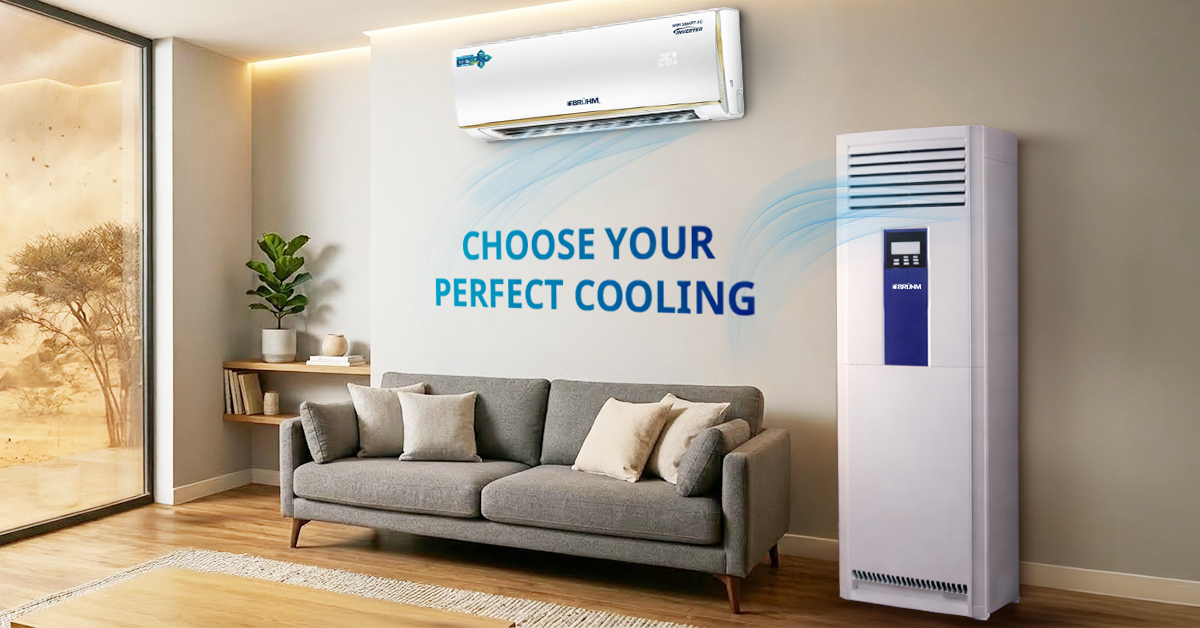
Split Air Conditioner
Split air conditioners are among the most common cooling solutions for modern homes. They consist of two units: an indoor unit that distributes cool air and an outdoor compressor that manages the cooling process.
These systems are popular because they operate quietly, provide strong cooling performance, and blend well with most interiors.
Split Inverter Air Conditioner
For homeowners who want better energy efficiency, inverter ACs are often the preferred choice. Unlike traditional air conditioners that constantly switch the compressor on and off, inverter models adjust the compressor speed based on the cooling requirement.
This technology maintains a consistent room temperature while reducing electricity consumption, making it a highly energy-efficient air conditioner option for homes.
Floor Standing Air Conditioner
Floor-standing air conditioners are designed for larger spaces such as living rooms, halls, showrooms, and offices. These units deliver strong airflow and higher cooling capacity compared to smaller residential models.
They are also useful in areas where wall-mounted installation may not be practical.
Air Curtain
While technically not an air conditioner, air curtains play an important role in maintaining indoor cooling. They create a barrier of air across doorways, preventing hot air, dust, and insects from entering indoor spaces.
They are commonly used in commercial spaces such as retail stores, restaurants, and office entrances.
Choosing the Right AC Capacity for Your Room
One of the most important steps in any air conditioner buying guide is selecting the correct cooling capacity. Air conditioners are measured in tons, which represent their cooling power.
Recommended AC Capacity by Room Size:
General guidelines include:
- Up to 120 sq ft → 1 Ton AC
- 120–180 sq ft → 1.5 Ton AC
- 180–250 sq ft → 2 Ton AC
If the AC capacity is too small, the unit will run continuously without properly cooling the room. If it’s too large, it may cool the space quickly but consume unnecessary electricity.
Selecting the right capacity helps ensure efficient cooling and allows you to get the best air conditioner for home use.
Energy Efficiency and Electricity Savings
Electricity consumption is a major concern when purchasing an air conditioner. That’s why choosing an energy-efficient air conditioner is essential.
Modern air conditioners come with energy ratings that indicate how efficiently a model consumes electricity. Units with higher ratings typically use less power while delivering the same cooling performance.
Inverter technology further improves efficiency by adjusting compressor speed based on cooling demand. Instead of turning on and off repeatedly, the compressor runs continuously at variable speeds, saving energy and maintaining consistent comfort.
Over time, this can significantly reduce your electricity bills.
Important Air Conditioner Features to Consider
Modern air conditioners offer a variety of features that improve performance, convenience, and indoor air quality. Understanding these air conditioner features can help you choose the right model.
Some useful features include:
Turbo Cooling
Provides rapid cooling when temperatures are extremely high.
Sleep Mode
Adjusts temperature gradually at night for better comfort and energy savings.
Smart Controls
Allows users to control the AC remotely through mobile apps or smart home devices.
Advanced Air Filters
Helps remove dust, allergens, and airborne particles from indoor air.
Auto Restart Function
Restores previous settings automatically after a power outage.
These features enhance both convenience and overall cooling performance.
Installation and Maintenance Considerations
Even the best air conditioner will not perform efficiently without proper installation. The indoor unit should be positioned where air can circulate evenly across the room, while the outdoor unit should have adequate ventilation.
Regular maintenance includes:
- Cleaning filters
- checking refrigerant levels
- scheduling periodic professional servicing
A well-maintained unit not only cools better but also consumes less electricity over time.
Choosing a Reliable Air Conditioner Brand
When purchasing an AC, choosing a trusted and reliable brand ensures better durability and long-term performance. A reliable brand typically offers:
- Quality engineering
- Energy-efficient cooling systems
- Dependable after-sales support
- Long-term product support
Brands like Bruhm offer a wide range of cooling solutions designed for modern homes and commercial spaces.
Bruhm Air Conditioners
The range includes split ACs, inverter models, and powerful cooling systems built to deliver efficient and reliable performance.
Quick AC Selection Guide
Before making your final decision, keep this simple checklist in mind:
- Choose the right type of air conditioner
- Select the correct cooling capacity for your room
- Look for an energy-efficient air conditioner
- Compare useful air conditioner features
- Ensure proper installation and maintenance
- Choose a reliable brand
Following these steps will help you select the best air conditioner for home comfort without confusion.
Buying an air conditioner doesn’t have to be complicated. By understanding AC types, cooling capacity, energy ratings, and key features, you can make a well-informed purchase decision.
The right air conditioner should provide strong cooling, energy efficiency, and long-term reliability. With the help of this air conditioner buying guide, you can confidently choose a model that keeps your home comfortable even during the hottest months.
Taking the time to compare your options now will ensure you enjoy efficient cooling and lower electricity costs for years to come.
Customers Also Asked –
To choose the right air conditioner, consider the room size, cooling capacity, energy rating, and key air conditioner features. A proper air conditioner buying guide recommends selecting the correct AC type (split, inverter, or floor standing) and ensuring the unit is energy efficient for lower electricity consumption.
The AC size depends on the room area. Generally, a 1-ton AC is suitable for rooms up to 120 sq ft, a 1.5-ton AC works for rooms between 120–180 sq ft, and a 2-ton AC is recommended for larger spaces up to 250 sq ft. Choosing the correct capacity ensures efficient cooling and better performance.
For most households, split air conditioners and inverter ACs are considered the best options. Inverter models are especially popular because they maintain consistent cooling while consuming less electricity, making them a more energy-efficient air conditioner choice.
Important air conditioner features to consider include inverter technology, turbo cooling, sleep mode, smart controls, advanced air filters, and energy-saving modes. These features improve comfort, reduce electricity usage, and enhance overall performance.
Choosing the correct size ensures smarter food preservation and easier daily use.
Yes, inverter ACs are generally more efficient than conventional air conditioners. They adjust the compressor speed based on cooling demand instead of turning on and off repeatedly. This results in lower electricity consumption, quieter operation, and more stable room temperature.
Choosing the correct size ensures smarter food preservation and easier daily use.