Automatic Voltage Regulator

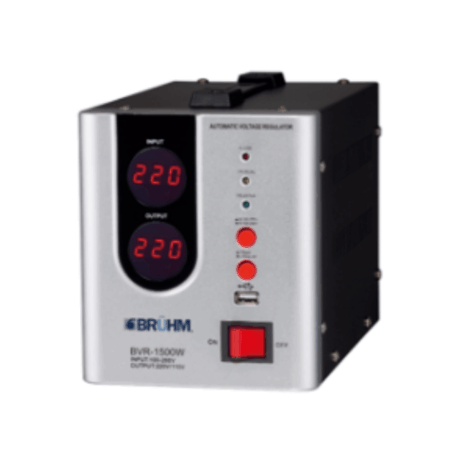
1500W Automatic Voltage Regulator

1500W Automatic Voltage Regulator

BVR-1500W
  • 1500W
  • 100~260V input
  • 110V/220V±10% output
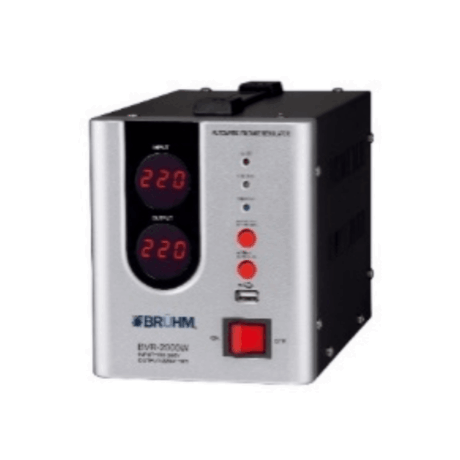
2000W Automatic Voltage Regulator

2000W Automatic Voltage Regulator

BVR-2000W
  • 2000W
  • 100~260V input
  • 110V/220V±10% output
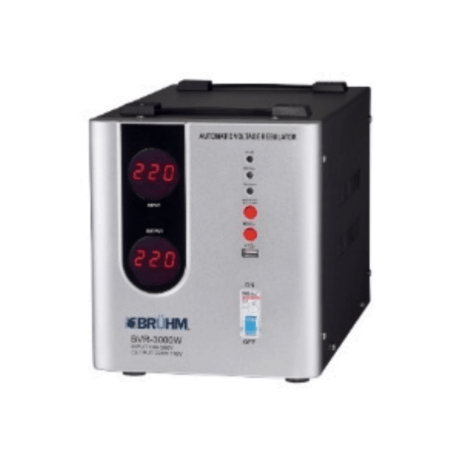
3000W Automatic Voltage Regulator

3000W Automatic Voltage Regulator

BVR-3000W
  • 3000W
  • 100~260V input
  • 110V/220V±10% output
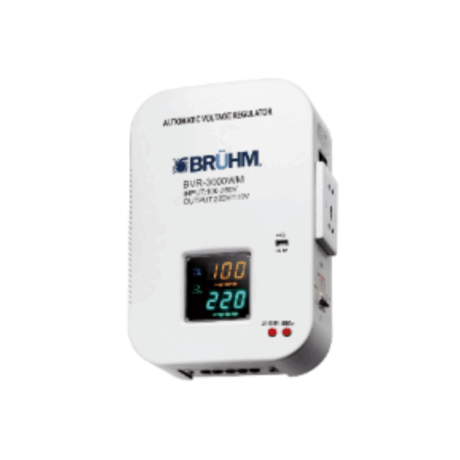
3000W Wall Mounted Automatic Voltage Regulator

3000W Wall Mounted Automatic Voltage Regulator

BVR-3000WM
  • 3000W
  • 100~260V input
  • 110V/220V±10% output
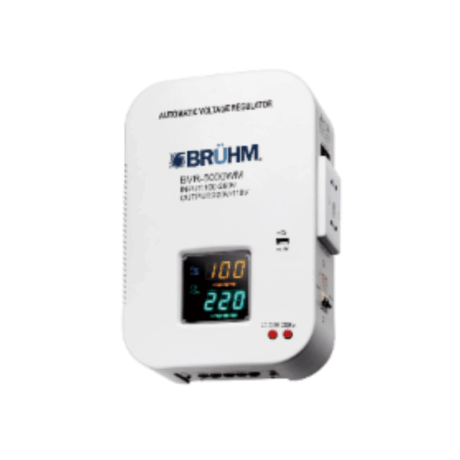
5000W Wall Mounted Automatic Voltage Regulator

5000W Wall Mounted Automatic Voltage Regulator

BVR-5000WM
  • 5000W
  • 100~260V input
  • 110V/220V±10% output

An AVR is basically a protective middleman for your electronics. It sits between the wall socket and your gear, constantly watching the incoming power. If the voltage from the grid drops too low or spikes too high, the AVR automatically adjusts it back to a safe, steady level… usually around 220V or 240V. Think of it like a shock absorber for electricity. By smoothing out those messy fluctuations, it stops your fridge or TV from taking a hit, which really helps your appliances last a lot longer in areas where the light is always blinking or changing intensity.

Picking the right size is all about the total load you’re running, not necessarily how many rooms you have.
• Small apartments: If you’re just running a TV, a small fridge, fans, and some lights, a 5 kVA unit usually does the trick.
• Medium homes: For a 3 or 4-bedroom place with a bigger fridge, an inverter system, and maybe one small AC, you’re looking at 10–15 kVA. This gives you enough breathing room so you aren’t constantly tripping the breaker.
• Large houses: If you have multiple ACs, deep freezers, and heavy-duty gear, you’ll definitely need 20 kVA or higher.
Most people in Nigeria and Ghana either invest in a small one for their most expensive gadget or just install one big central regulator to cover the whole house once they’ve added up their total watts.
For the average household, a 10–15 kVA regulator is really the ideal choice. It’s powerful enough to protect the essentials like your fridge, TV, and fans, without being heavy on your budget. While a 5 kVA works for basic setups, once you start adding things like a microwave or an inverter, that extra capacity in a 10–15 kVA unit becomes a lifesaver. If you’re running a lot of cooling units, though, you’ll probably want to jump up to 20 kVA to be safe.