



Water dispensers have transitioned from luxury items to productivity necessities in Ghanaian offices and homes alike. Yet people often make purchasing mistakes by prioritizing aesthetics or price rather than practical fit.
Home vs Office Water Dispenser: What You're Really Choosing
Water dispenser for home: what actually works
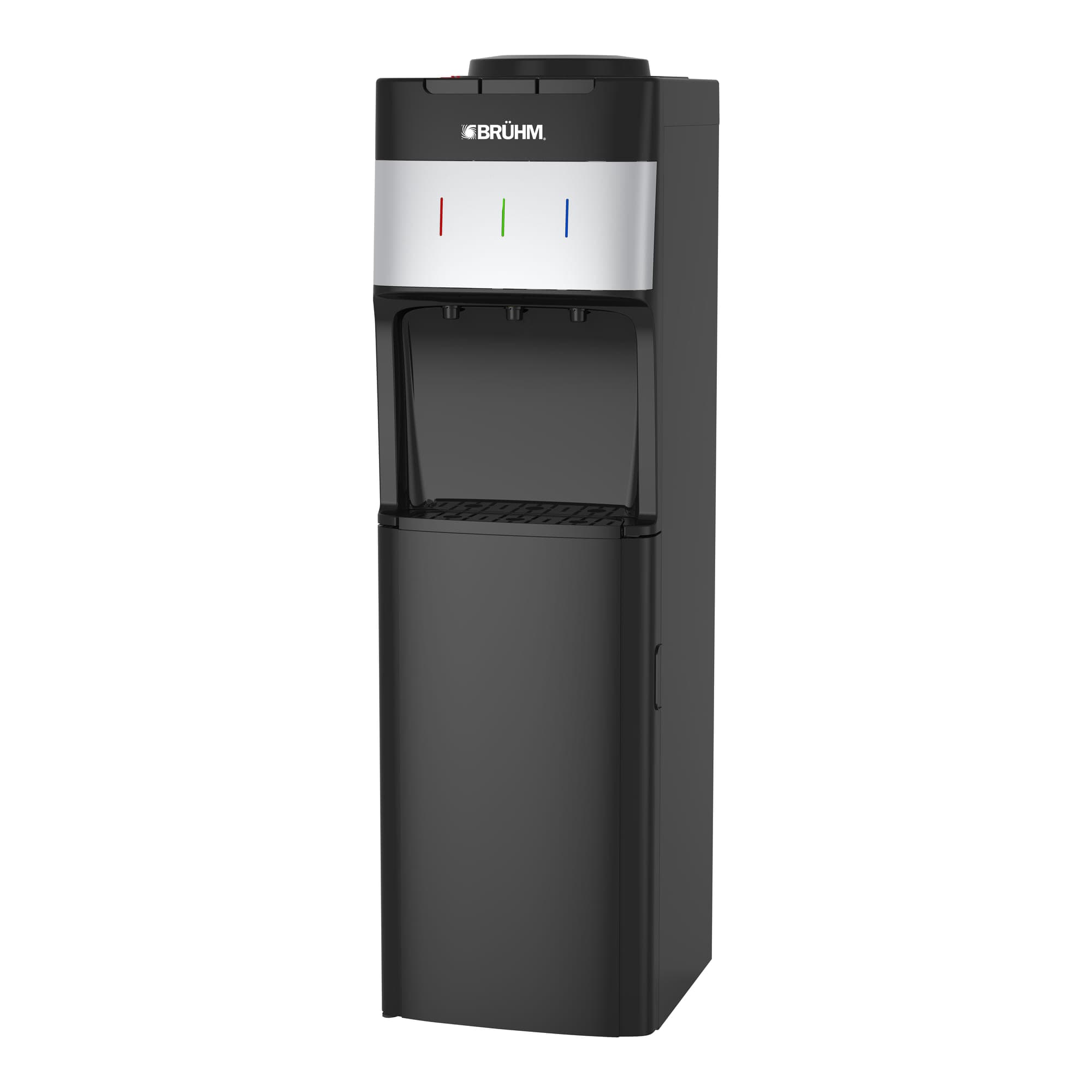
Household setups prioritize daily comfort and safe access to clean water, with child locks on hot taps being essential. Floor-standing models ideally work better because they hold more water – better suited to larger homes with frequent use demands.
Water dispenser for office use: built for demand
Office environments require units handling constant use by multiple people. A floor-standing water dispenser with 3 taps offers faster cooling and heating capabilities suited for high-traffic spaces.
Top-Load vs Bottom-Load Dispensers
Top-load models are simpler and more affordable with standard operation, while bottom-load variants eliminate heavy lifting but cost more and involve a slightly more complex setup.
- What it is — Top-Load: Bottle sits on top; Bottom-Load: Bottle sits in lower cabinet
- Daily effort — Top-Load: You lift heavy water bottles; Bottom-Load: No lifting, bottle slides in
- Cost — Top-Load: Lower upfront cost; Bottom-Load: Higher upfront cost
- Ease of use — Top-Load: Simple, familiar setup; Bottom-Load: Easier for frequent use
- Maintenance — Top-Load: Fewer parts, easier to manage; Bottom-Load: Pump system needs occasional checks
- Best for — Top-Load: Homes, budget-conscious buyers; Bottom-Load: Offices, convenience-focused users
What About Hot vs Cold Water Dispensers?
Choosing between hot and cold functionality depends on actual usage patterns. Cold water serves hydration needs, while hot water provides convenience for tea and instant meals. If your goal is purely hydration, a standard cold model is the smarter, more focused investment.
Space Matters More Than People Expect
Floor space planning often gets overlooked. Countertop units suit tight spaces for light, personal use. Floor-standing models work better for shared kitchens and busy offices where capacity matters more than footprint.
Features That Actually Matter
- Temperature options: Standard hot/cold versus 3-tap systems for offices
- Cooling systems: Compressor cooling for high-traffic areas; electronic systems for quieter, lighter operation
- Safety features: Child locks on hot taps for family settings
- Storage: Fridge compartments valuable in shared workspaces
- Capacity: Must match actual user volume
Maintenance
Regular maintenance prevents gradual deterioration. Essential practices include cleaning the reservoir regularly, descaling hot tanks every few months to remove mineral buildup, and switching off heating during non-peak hours to save energy.
Closing Thought
The best water dispenser isn't necessarily the one with the most sophisticated internal pump or the sleekest chassis. It is simply the one that integrates seamlessly into the reality of your day-to-day.