


For many African households today, choosing between a gas cooker and an electric cooker is a common concern. The right choice depends on how you cook, your power supply, budget, and kitchen setup. In this simple guide, we break down the differences, benefits, and costs – so you can confidently choose the best cooker for home use.
What's the Difference Between Gas and Electric Cookers?
How gas cookers work
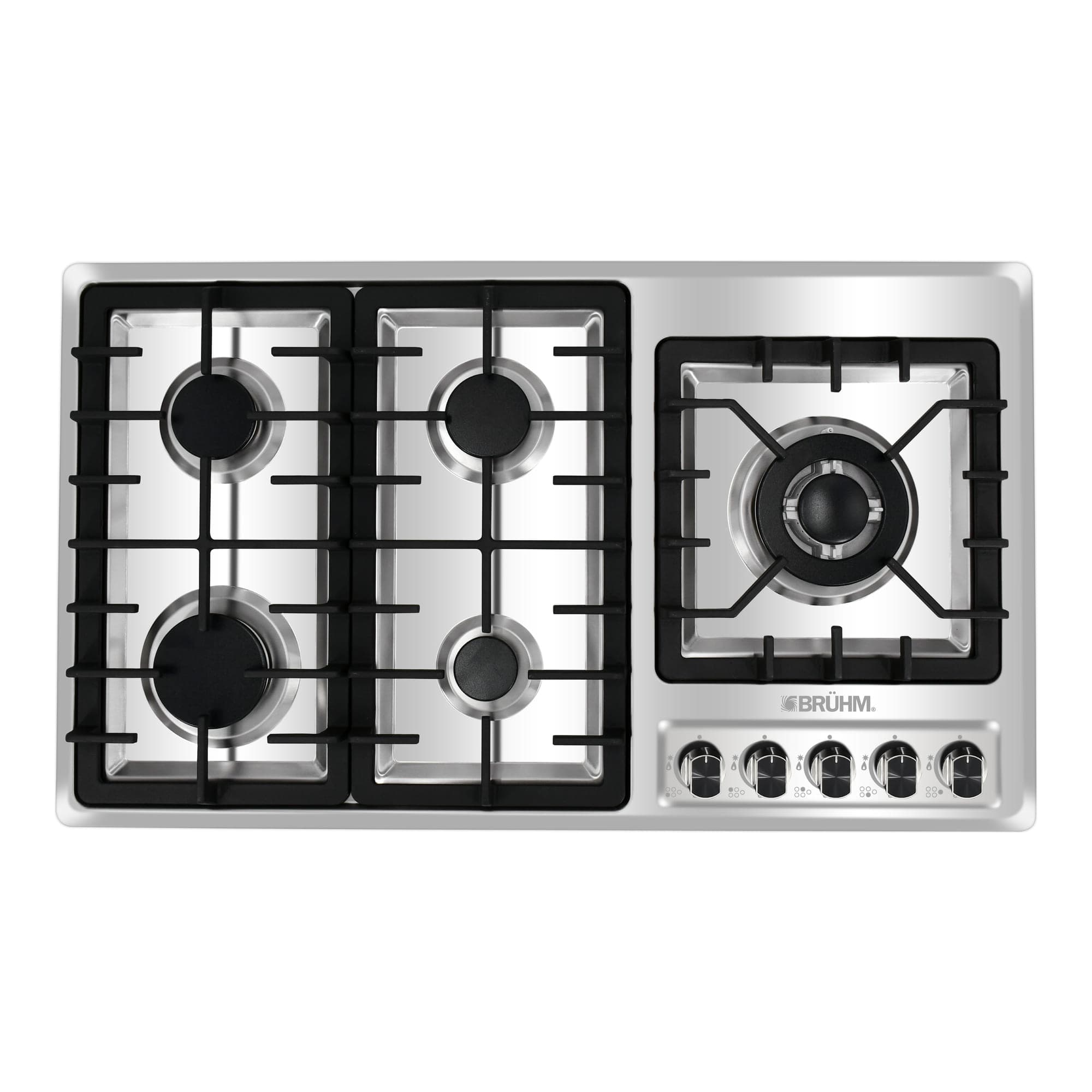
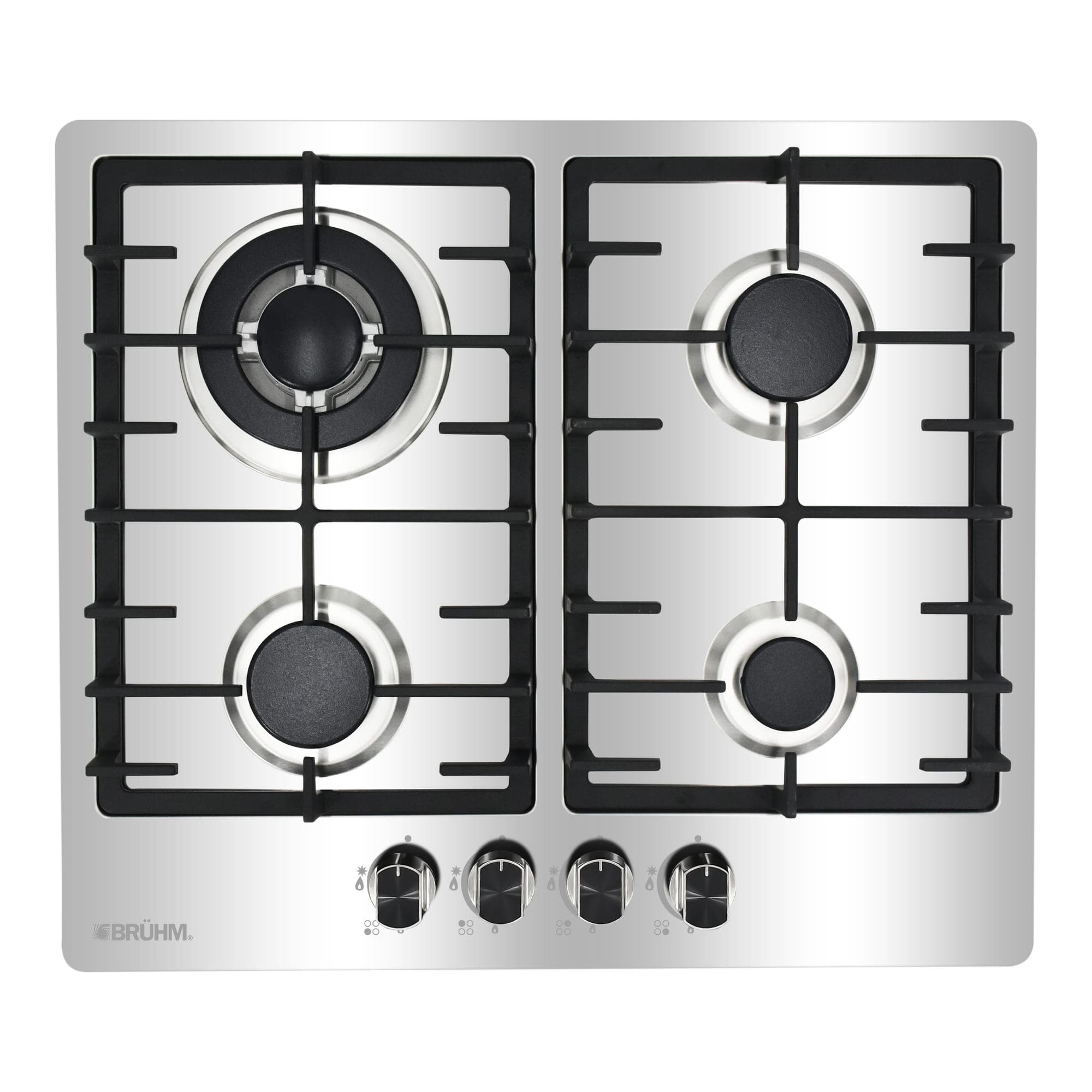
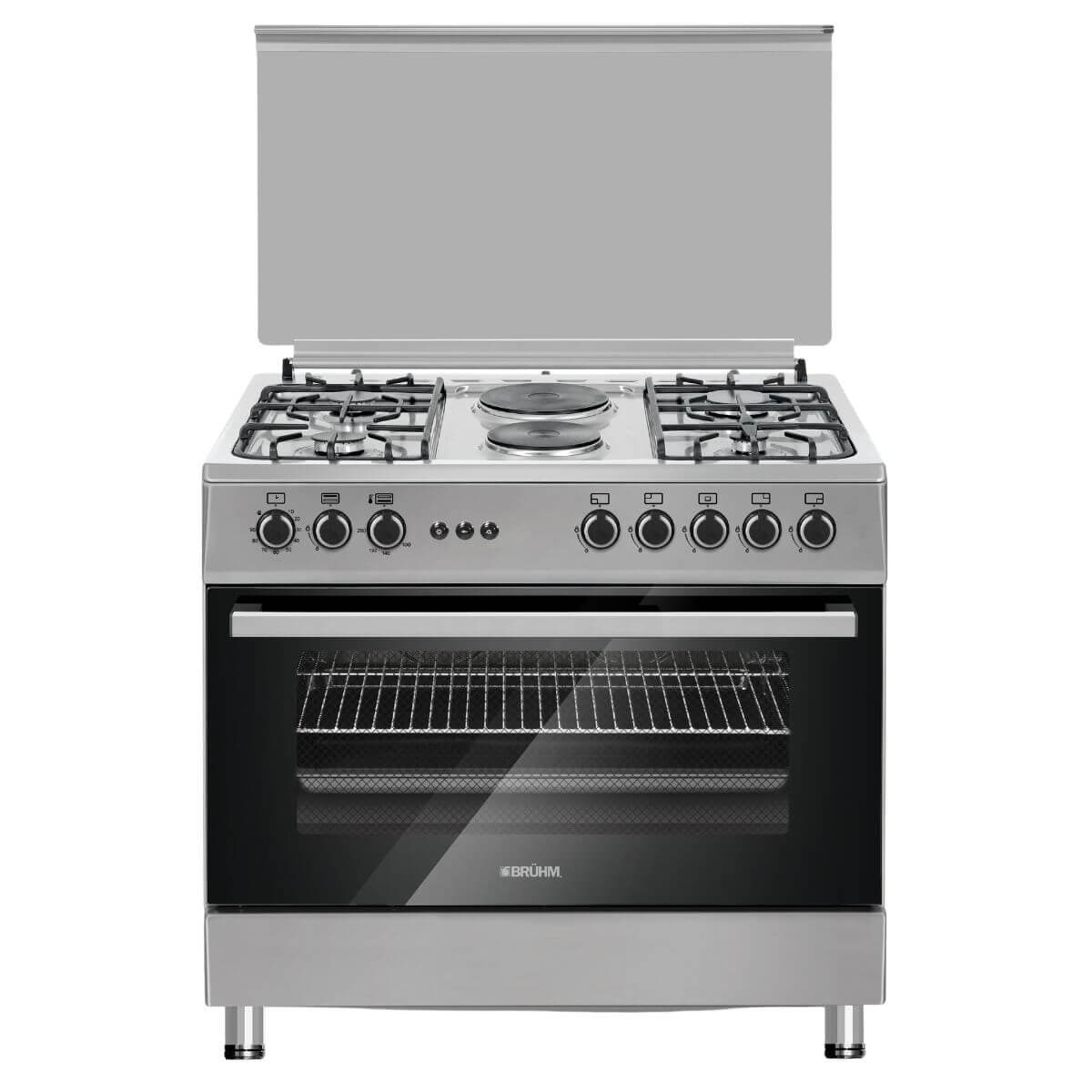
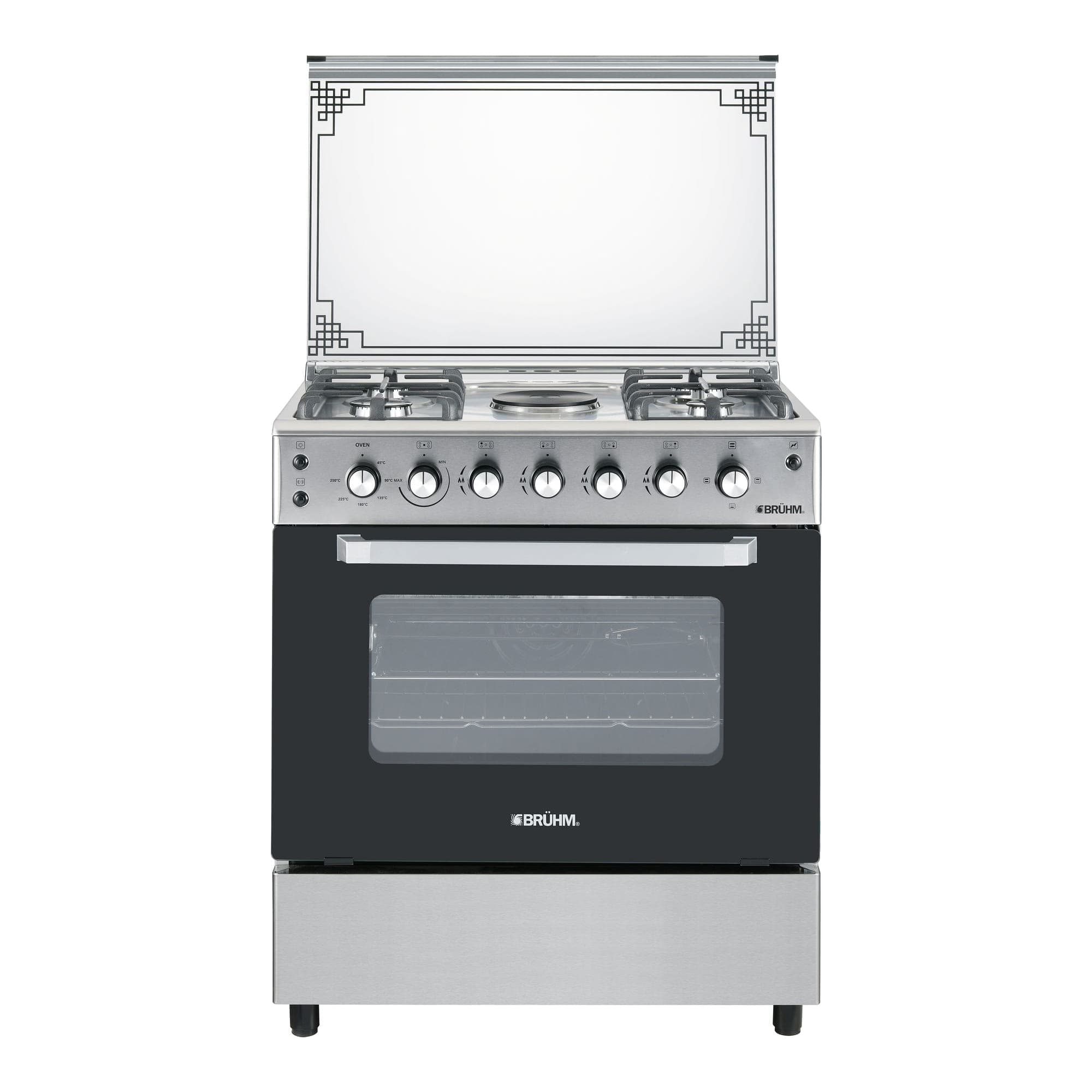
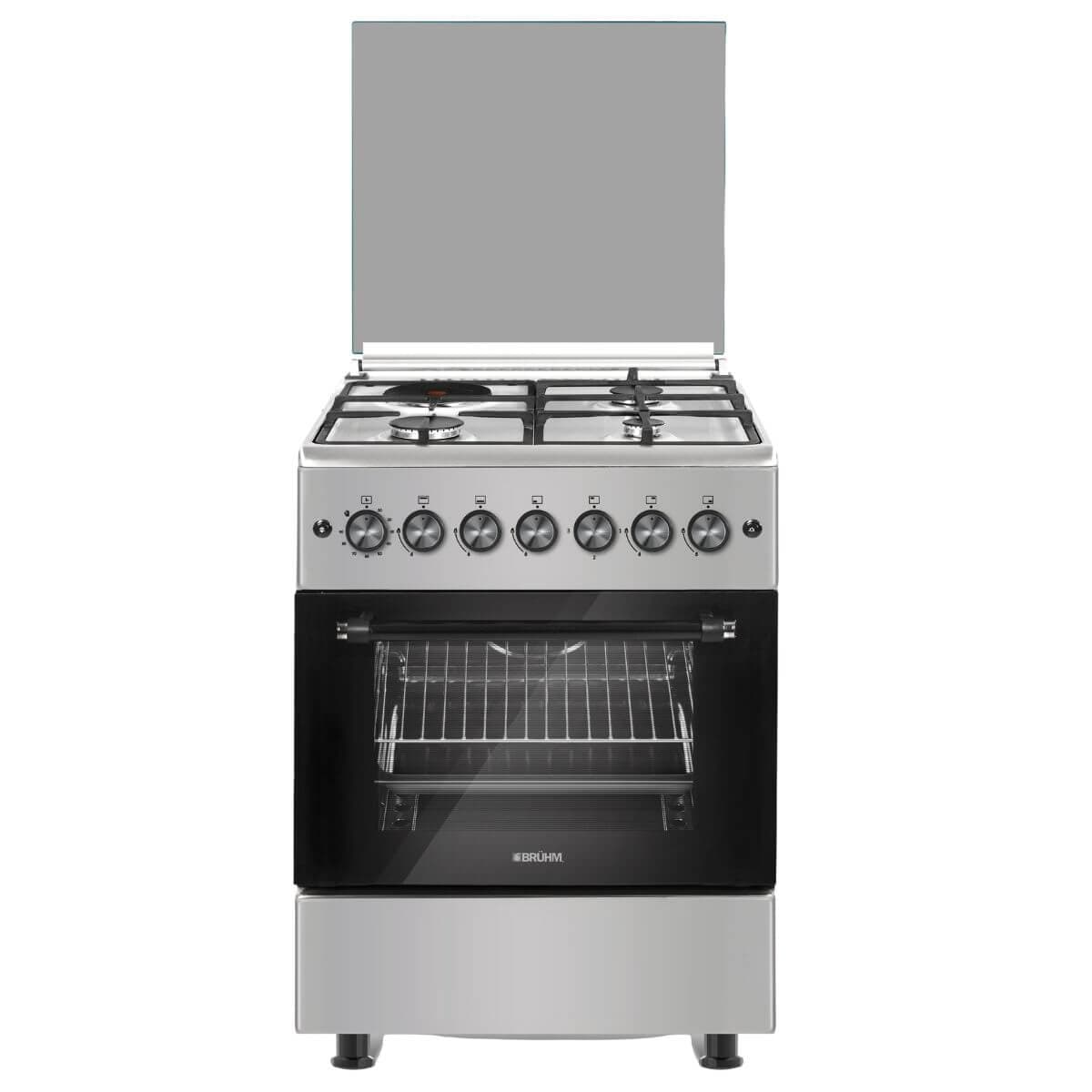
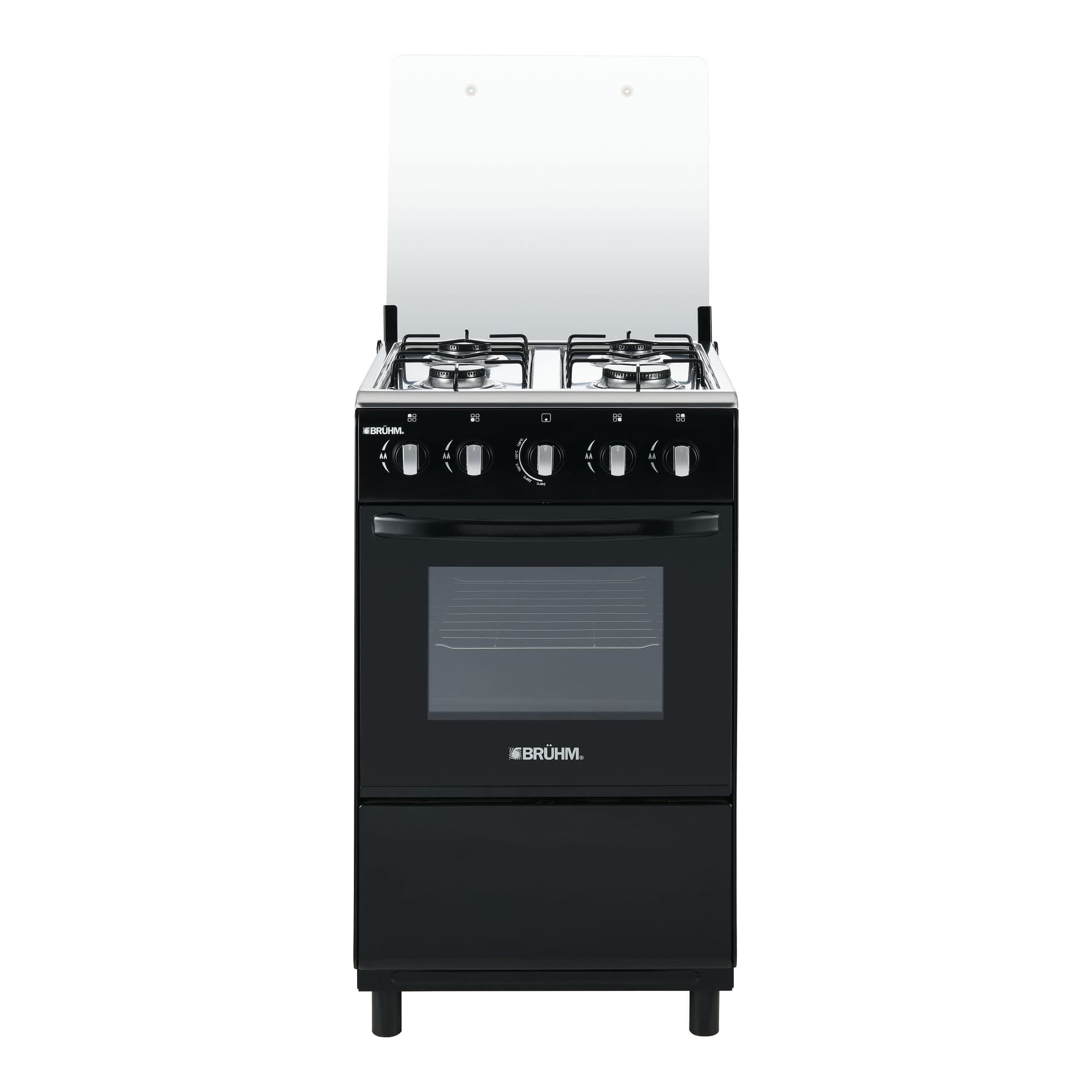
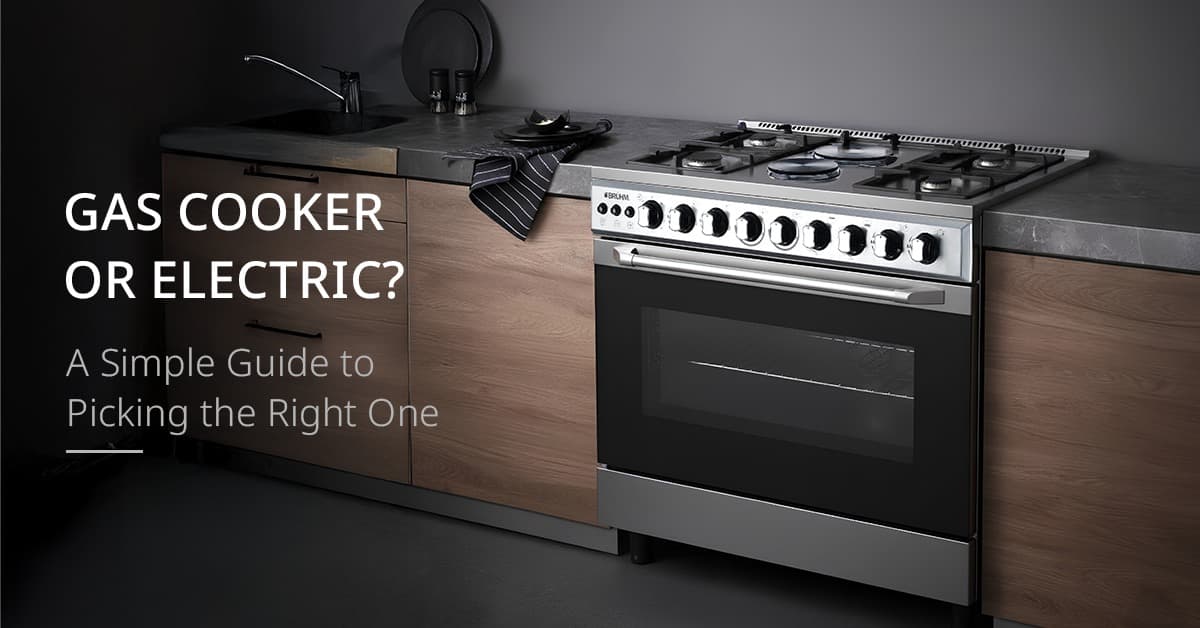
Gas cookers use LPG (liquefied petroleum gas) supplied through a cylinder or pipeline. The flame provides instant heat, allowing you to cook with visible temperature control. Bruhm gas cookers are built with efficient burners, a pipe-type system for even cooking, and come in four practical sizes: 90×60, 60×60, 55×50, and 50×50 – ideal for African family kitchens.
How electric cookers work
Electric cookers rely on electricity to heat coils, ceramic tops, or hot plates. Heat builds gradually and remains consistent once set, making them popular in modern, fully electrified homes.
Cooking Performance and Heat Control
Heat accuracy with gas
Gas cookers offer instant heat adjustment. You can increase or reduce the flame immediately, which is ideal for traditional African meals that require careful temperature control.
Heat distribution in electric cookers
Electric cookers provide steady heat, especially for baking or slow cooking. However, heat adjustment is slower compared to gas.
Which option is better for daily cooking?
For everyday cooking, especially frequent meals, gas cookers are often preferred due to faster heating and better control.
Installation and Setup Requirements
What you need for a gas cooker
- Gas cylinder or gas line
- Proper ventilation
- Professional gas cooker installation for safety
Bruhm gas cookers are designed for easy setup and compatibility with standard gas systems across Africa.
What you need for an electric cooker
- Stable electricity supply
- Suitable power socket and wiring
- Voltage compatibility
Always follow cooker safety tips, ensure proper installation, and keep children away from hot surfaces — whichever type you choose.
Electricity Consumption & Running Costs
Electric cookers generally consume more power, which can increase electricity bills especially in areas with high tariffs or unstable supply. Gas is often more cost-effective for long-term use — refilling cylinders can be cheaper than paying for high electricity consumption. For most African homes, gas cookers offer more energy-efficient cooking and lower running costs.
Safety and Maintenance
Gas leak precautions
- Check hoses regularly
- Turn off gas after use
- Ensure good ventilation
Electrical safety tips
- Avoid water contact
- Use surge protection
- Don't overload sockets
Cleaning and Durability
Gas cookers are easy to clean and highly durable. Bruhm gas cookers are made from high-quality materials, built to last, and include gas ovens with inside lamps for convenient baking and roasting. Electric cookers require regular electric stove maintenance to keep heating elements working efficiently.
Which Cooker Should You Choose?
- For frequent home cooks: A gas cooker offers speed, control, and reliability.
- For modern kitchens: An electric cooker suits homes with stable power and a preference for sleek designs.
- For unstable power supply areas: Gas cookers are the clear winner – they work even during power outages.
- For budget-conscious buyers: Gas cookers are more economical to buy and maintain over time.
Conclusion
When comparing gas vs electric cookers, the wisest choice depends on your lifestyle and environment. For African homes that value reliability, affordability, and performance, Bruhm gas cookers are specially designed to meet everyday cooking needs. Available across Nigeria, Ghana, Angola, Togo, Senegal, Sierra Leone, Ivory Coast, Kenya, Tanzania and Uganda, Bruhm ensures lasting and quality cooking solutions delivered right to your doorstep.